Your home’s exterior shields the structure from weather, defines curb appeal, and plays a major role in energy efficiency and long-term maintenance demands. Choosing the right siding material is one of the most impactful decisions a homeowner can make, whether you’re building new, replacing aging siding, or simply exploring what’s out there. With so many options on the market today, understanding the trade-offs between cost, durability, appearance, and upkeep is the key to making a choice you’ll be happy with for decades.
Why Siding Material Matters More Than Most Homeowners Realize
Siding isn’t just aesthetic. It’s your home’s first line of defense against moisture intrusion, temperature extremes, UV exposure, and impact damage. The wrong choice could lead to rot, mold, energy loss, and expensive repairs. The right siding material, properly maintained, could last the life of the home and add meaningful value when it comes time to sell. There’s no single best option. The right choice depends on your climate, budget, architectural style, and how much ongoing maintenance you’re willing to take on.
Vinyl Siding: The Workhorse of Siding Material
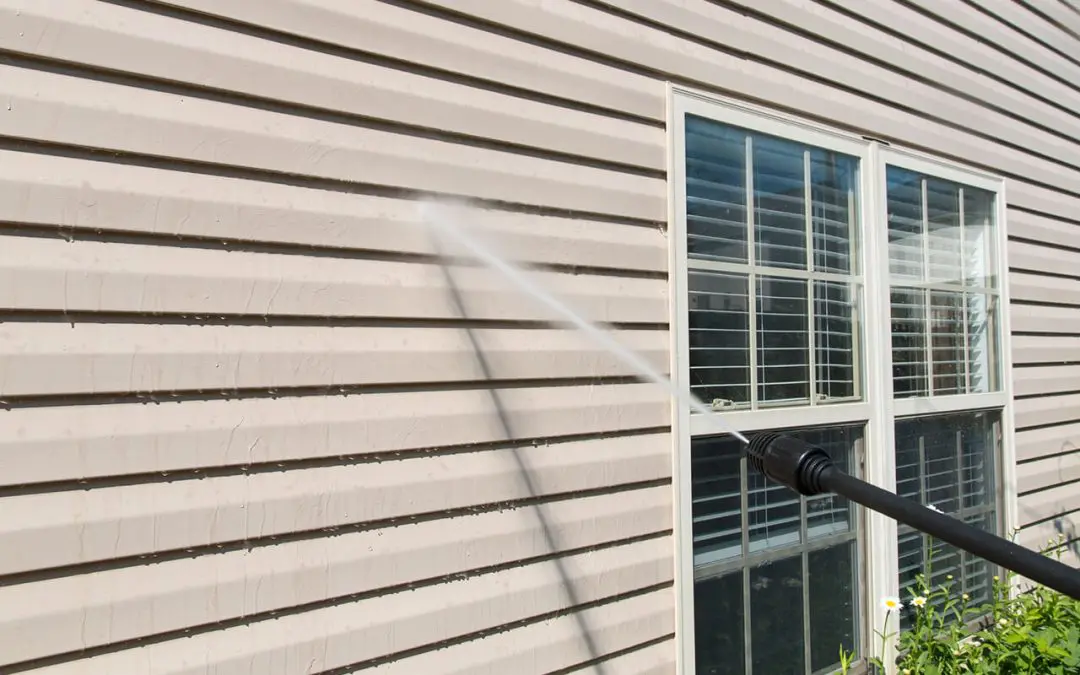
Vinyl is the most widely installed siding material in the United States. It’s affordable, low-maintenance, and available in a wide range of colors and profiles, from traditional lap siding to shakes and board-and-batten. Vinyl doesn’t need painting, resists moisture, and holds up well in most climates without much intervention. The trade-off is longevity and premium appearance. Standard vinyl can crack in extreme cold and fade over time. That said, insulated vinyl siding offers improved energy performance and a more solid feel. For homeowners prioritizing value and low maintenance, vinyl remains a genuinely solid choice.
Fiber Cement: The Premium All-Rounder
Fiber cement has earned its reputation as one of the most versatile and durable siding materials available. Made from cement, sand, and cellulose fiber, it resists rot, insects, fire, and impact damage far better than wood or vinyl. It can convincingly mimic the look of wood lap siding, shingles, or stucco, making it adaptable to virtually any architectural style. The downsides are cost and weight. Fiber cement is more expensive than vinyl and requires professional installation. It also needs periodic repainting and proper caulking to maintain moisture resistance. For homeowners willing to invest upfront, fiber cement consistently delivers excellent long-term value.
Wood Siding: Classic Appeal With Real Maintenance Demands
Wood siding, whether cedar, redwood, or engineered wood, offers a warmth and authenticity that no synthetic siding material can fully replicate. It’s highly customizable, accepting any paint or stain color and lending itself to a wide range of profiles and installation patterns. The challenge is maintenance. Wood requires regular painting or staining, is susceptible to moisture damage and insect infestation if not properly protected, and demands close attention in wet or humid climates. Engineered wood addresses some of these vulnerabilities but still requires more upkeep than fiber cement or vinyl. For homeowners who love the look and are prepared for the commitment, wood siding is hard to beat aesthetically.
Choosing the Right Siding Material for Your Climate and Budget
Climate is one of the most important factors in choosing siding material. Fiber cement and vinyl perform well across a wide range of conditions, while wood requires more careful consideration in high-humidity or freeze-thaw environments. In coastal regions, look for products with strong salt-air and UV resistance. In wildfire-prone areas, fire-resistant options like fiber cement deserve serious consideration. Budget planning should account for more than just material costs; installation, finishing, and long-term maintenance vary significantly between materials. Vinyl has the lowest lifetime cost for most homeowners. Fiber cement costs more upfront but less over time than wood. A full cost analysis over 20 to 30 years often tells a different story than the initial price tag alone.
Frequently Asked Questions (FAQs)
What is the most durable siding material for a home?
Fiber cement consistently ranks among the most durable siding materials available. It resists rot, fire, insects, and impact damage across a wide range of climates. Metal siding is also exceptionally durable and increasingly popular in both modern and traditional home designs.
How long do different siding materials typically last?
Vinyl siding typically lasts 20 to 40 years with minimal maintenance. Fiber cement can last 50 years or more when properly maintained and repainted on schedule. Wood siding has the potential to last just as long, but requires consistent upkeep to reach that lifespan. Engineered wood generally falls in the 20 to 30 year range, depending on climate and maintenance.
What siding material requires the least maintenance?
Vinyl requires the least ongoing maintenance. Fiber cement requires periodic repainting but is otherwise low-maintenance.
Does siding material affect my home’s energy efficiency?
Yes, particularly with insulated products. Insulated vinyl siding with foam backing reduces thermal bridging and can meaningfully improve energy performance. The air barrier and insulation installed behind the siding matter at least as much as the material itself for overall efficiency.
How do I choose between siding materials when remodeling?
Start by ranking your priorities, cost, maintenance, appearance, durability, and energy performance, then evaluate materials against your local climate. Getting two or three quotes from contractors who work with different siding materials is worthwhile; experienced installers can offer practical insights about performance in your specific region that brochures simply can’t.
Robertson Home Inspection offers inspection services in the Piedmont Triad area of North Carolina. Contact us to schedule an appointment.