
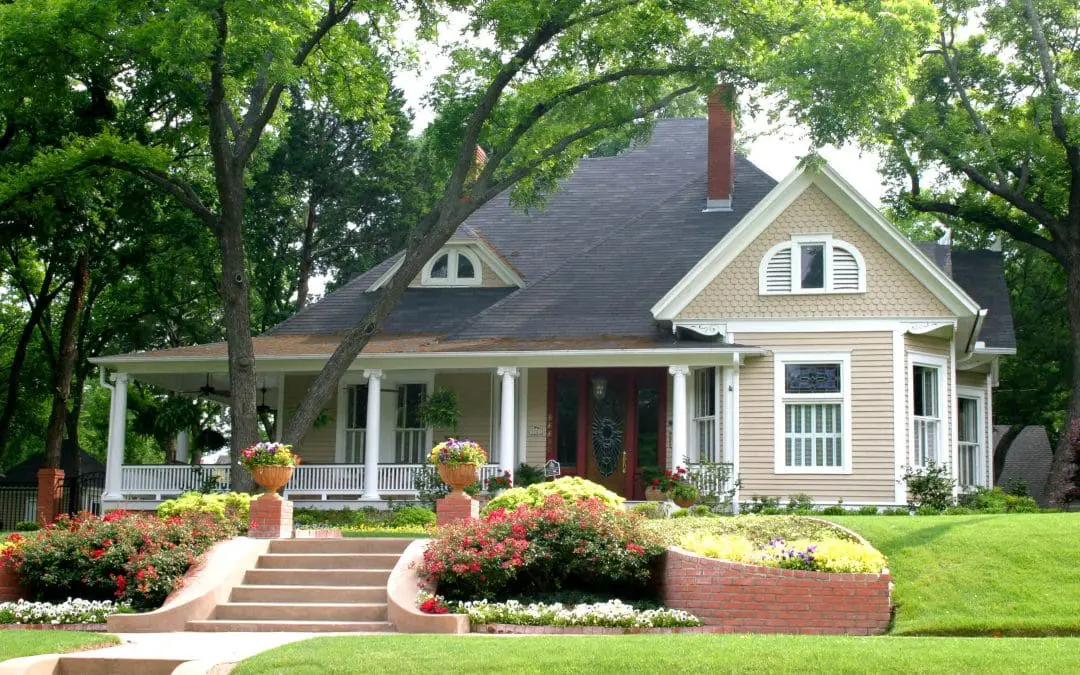
A well-thought-out landscape design can be just as impactful as any interior renovation. A yard that looks intentional, thrives with minimal effort, and adds genuine curb appeal doesn’t require a large budget or a professional designer. What it does require is a clear vision, an understanding of how plants and hardscape work together, and a willingness to take the process one step at a time. These landscape design tips give homeowners a practical starting point for creating an outdoor space they’ll genuinely love.
Good Landscape Design Balances Beauty With Function
One of the most common mistakes homeowners make when approaching a landscape project is focusing entirely on appearance while ignoring how the space will actually be used. A beautiful yard that’s impractical to navigate, difficult to maintain, or poorly suited to the household’s lifestyle is a yard that eventually gets neglected. The most successful landscape design strikes a balance, creating something visually appealing while also being functional, manageable, and built around how the family genuinely lives outdoors. Where does foot traffic naturally flow? Where do children or pets spend the most time? Are there areas that receive too much sun or too much shade for comfortable outdoor use? Is there a spot that could become a dining area, a reading corner, or a fire pit gathering space? Grounding the design in real, daily use ensures the finished landscape serves the household rather than simply impressing visitors.
Use Hardscape to Create Structure in Your Landscape Design
Plants get most of the attention in landscape design, but hardscape is what gives a yard its bones. Patios, pathways, retaining walls, raised beds, and decorative edging all provide the structural framework that makes a landscape feel organized and intentional. Without hardscape, even the most carefully selected plants can look scattered and informal in ways that undermine the overall design. Pathways deserve particular thoughtfulness, they guide movement through the yard, connect different functional zones, and significantly influence how the space feels to navigate. A meandering stone path through a garden bed creates a completely different experience than a straight gravel walkway, and choosing between the two should reflect the overall aesthetic you’re working toward. Materials like natural stone, pavers, decomposed granite, and brick each bring their own character and maintenance requirements, so choosing them deliberately rather than defaulting to the most convenient option produces better long-term results.
Landscape Design Tips for Choosing Plants That Last
Plant selection is where the long-term success of any landscape design is decided. The most visually stunning plant choices are worthless if they’ll struggle, require constant intervention, and eventually fail, taking your investment with them. Before selecting any plant, understand its water needs, light requirements, mature size, and seasonal behavior in your climate. Diversity is one of the most valuable qualities in a well-designed landscape. A yard planted with a thoughtful mix of trees, shrubs, perennials, ornamental grasses, and ground covers creates visual interest across multiple heights and textures while also being more resilient. Aim for year-round interest by including plants that offer something in every season: spring blooms, summer foliage, fall color, and winter structure from evergreens or interesting bark.
Lighting and Water Features as Finishing Touches
Landscape design doesn’t end when the last plant goes in the ground. The finishing touches are what elevate a well-planted yard into a truly designed outdoor space. Lighting extends the usability of outdoor areas into the evening, highlights key design elements after dark, and adds a layer of safety along pathways and steps. Solar and LED options make thoughtful outdoor lighting more accessible and affordable than ever. Water features introduce sound, movement, and wildlife into the landscape, dramatically changing how the space feels. The sound of moving water adds a sensory dimension that no plant or hardscape element can replicate, creating a calming atmosphere that makes the yard feel like a genuine retreat.
Frequently Asked Questions (FAQs)
How do I start a landscape design project from scratch?
Begin by assessing how you want to use the space and observing the yard’s existing conditions, sunlight, drainage, soil, and traffic patterns. Sketch a basic layout that incorporates functional zones before making any plant or material purchases.
How important is hardscape in landscape design?
Very important. Hardscape provides the structural framework that gives a yard its shape and organization. Pathways, patios, edging, and raised beds define the space and create the visual bones that plants then flesh out.
How do I create a landscape that looks good year-round?
Include a mix of plants that offer seasonal interest across all four seasons: spring-blooming bulbs and shrubs, summer perennials and annuals, fall-color trees and grasses, and evergreen structure for winter.
What’s the best way to reduce landscape maintenance?
Choose plants suited to your local climate and group them by water needs to simplify irrigation. Apply mulch consistently to suppress weeds and retain moisture.
Should I hire a landscape designer or do it myself?
For straightforward residential projects, a motivated DIY approach backed by thorough research yields excellent results. For complex projects involving significant grading, drainage solutions, irrigation systems, or large-scale hardscape, a professional landscaper adds value that typically outweighs the cost through better planning, fewer mistakes, and a more cohesive finished result.
Robertson Home Inspection offers inspection services in the Piedmont Triad area of North Carolina. Contact us to schedule an appointment.